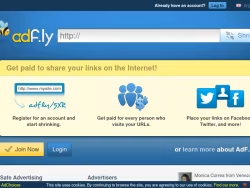
Adf.ly: A URL Shortening and Monetization Platform
Adf.ly operates as a specialized online service that combines the utility of URL shortening with a monetization model for content creators and website owners. At its core, the platform allows users to transform long, cumbersome web addresses into short, manageable links. However, Adf.ly distinguishes itself by integrating an advertising intermediary page, creating a revenue stream for the link creator whenever someone clicks on their shortened URL.
Core Functionality and User Experience
The primary process is straightforward. A user, typically a content publisher, submits a long URL to the Adf.ly website. The system then generates a unique, shortened link (e.g., adf.ly/xxxxx). When an internet visitor clicks on this Adf.ly link, they are not taken directly to the destination website. Instead, they encounter an interstitial advertisement page hosted by Adf.ly. After a brief countdown period, usually a few seconds, a "Skip Ad" or similar button becomes available, allowing the visitor to proceed to the intended content. This brief engagement with the advertisement is the mechanism that generates revenue.
Monetization Model for Publishers
For publishers and link creators, Adf.ly provides a way to earn income from their shared links. The platform operates on a pay-per-click (PPC) basis, where the link owner earns a small amount for each valid click that completes the advertisement countdown. Users can track their earnings, view click statistics, and manage their links through a personal dashboard. Payment thresholds and rates can vary based on the geographic location of the click and other factors determined by Adf.ly's advertising network.
Key Features and Tools
Beyond basic link shortening, the Adf.ly platform often includes additional features designed to enhance utility and control for its users:
- Link Management:A dashboard to organize, track, and analyze the performance of shortened URLs.
- Customization Options:Some ability to customize the interstitial page or link aliases.
- API Access:Developers can integrate Adf.ly's shortening and monetization functions directly into their own applications or websites.
- Referral Program:Users may have the opportunity to earn additional income by referring new publishers to the platform.
Considerations and Common Use Cases
Adf.ly has historically been popular in specific online communities. Common use cases include content creators on platforms like forums, blogs, or social media who wish to generate small revenues from shared downloads, videos, or website referrals. It has also been used in file-sharing contexts. It is important for users to be aware that some web browsers, security software, and online communities may block or flag Adf.ly links due to the intrusive nature of forced-advertisement pages. The user experience for the end-clicker involves a delay, which is a fundamental trade-off of the service.
Platform Ecosystem
Adf.ly is part of a larger network of advertising and URL services. The platform relies on a network of advertisers to supply the promotions displayed on its interstitial pages. The revenue generated from these advertisers is shared between Adf.ly and the publisher who created the link. The sustainability of a user's earnings depends on the volume of legitimate clicks and the prevailing advertising rates.
In summary, Adf.ly serves as a tool for digital publishers seeking to monetize their traffic through URL shortening. It offers a direct, if sometimes controversial, method to generate passive income from link sharing, built on a model where audience engagement with a brief advertisement unlocks access to the final content.