Cash App: A Comprehensive Overview
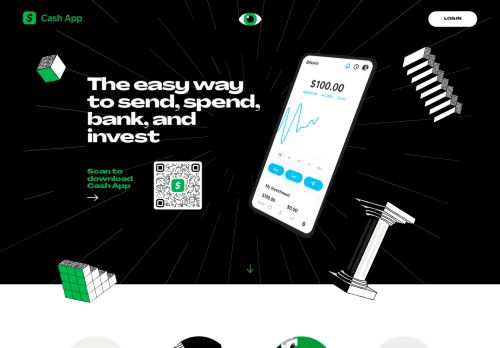
Cash App, developed by Block, Inc. (formerly Square, Inc.), is a prominent financial services platform designed for peer-to-peer (P2P) payments and beyond. It functions as a mobile application available on iOS and Android devices, offering users a streamlined and modern alternative to traditional banking for everyday financial transactions. At its core, Cash App simplifies sending and receiving money instantly between individuals using only a $cashtag (a unique username), phone number, or email address.
Core Financial Services and Features
The platform's functionality extends far beyond simple money transfers. Key features include:
- Cash Card:A free, customizable Visa debit card that allows users to spend their Cash App balance anywhere Visa is accepted, both online and in physical stores. The card can be managed directly within the app, with features like instant transaction notifications and the ability to toggle it on or off for security.
- Direct Deposit:Users can have paychecks, tax returns, and other government payments deposited directly into their Cash App balance, often up to two days earlier than with a traditional bank.
- Investing:Cash App provides tools to buy, sell, and hold stocks with as little as $1 through fractional shares. It also supports Bitcoin transactions, allowing users to buy, sell, send, and receive the cryptocurrency.
- Boosts:This feature offers instant discounts and rewards at select merchants when using the Cash Card, providing savings on everyday purchases like coffee, groceries, and rideshares.
User Experience and Accessibility
The application is renowned for its intuitive, user-friendly interface that emphasizes speed and simplicity. Setting up an account is a quick process, and the design makes navigating between different services—from paying a friend to checking stock prices—seamless. Cash App caters to both personal and, to a limited extent, business use, allowing small vendors and freelancers to accept payments easily.
Security and Account Types
Cash App employs encryption and fraud detection technology to secure transactions and data. Users can enable additional security layers like Touch ID, Face ID, or a PIN code. It's important to note that standard Cash App accounts are not FDIC-insured for the balance itself. However, funds held in a linked Cash AppCheckingaccount (offered in partnership with FDIC-member banks) are eligible for FDIC insurance, subject to applicable limits.
Fees and Limitations
While many basic services are free, such as standard deposits and P2P transfers, certain transactions incur fees. These include instant transfers to a linked debit card (for a speed premium), ATM withdrawals with the Cash Card (with fees waived if certain direct deposit conditions are met), and cryptocurrency transactions which involve market-based fees. Users should review the fee schedule within the app for the most current information.
In summary, Cash App has evolved from a simple P2P payment tool into a multifaceted financial ecosystem. It successfully bridges the gap between everyday banking, investing, and cryptocurrency for millions of users, prioritizing convenience, speed, and a modern digital experience. Its growing suite of features positions it as a significant player in the fintech landscape, appealing to a generation seeking integrated and accessible financial management tools.